
Struggling with what to show on your screens? Learn what content works best on retail digital signage to engage customers and boost sales.
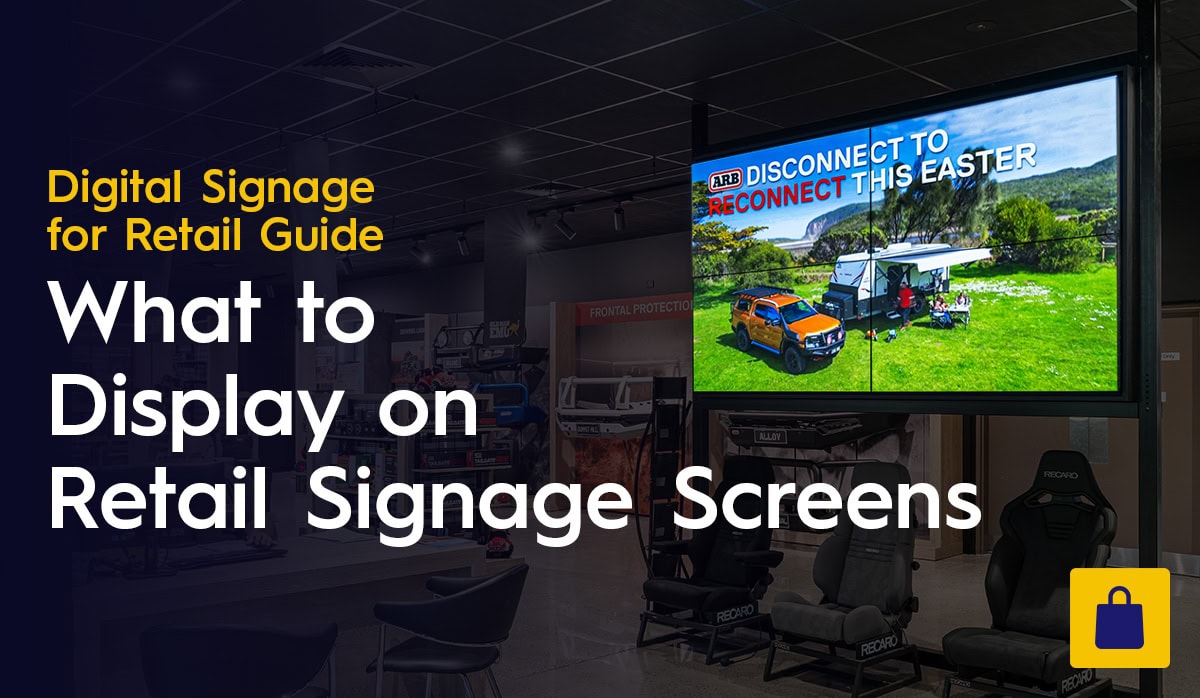
You have invested in high-quality commercial screens. You have mounted them in the perfect location, hidden the cables, and connected them to the internet. Now comes the moment of truth. You sit down in front of your laptop to upload your first playlist, and a blank cursor blinks back at you.
This is the most common hurdle for Australian retailers adopting new technology. It is often called "content paralysis." We spend so much time focusing on the hardware and the installation that we forget the most critical component. The screen is just the canvas. The art is what you put on it.
Your retail digital signage content is the voice of your store. It is the silent salesperson that never sleeps, never takes a break, and never has a bad day. When executed well, it can stop a passerby in their tracks, educate a confused customer about a complex product, or convince a shopper to add just one more item to their basket.
However, filling a playlist can feel overwhelming. Should it be a video? A static image? A social media feed? The answer is usually a strategic mix of all three. This guide will walk you through the pillars of a successful content strategy, giving you practical retail screen content ideas that you can implement today to turn your screens into revenue-generating assets.
Don;t have a graphic designer? Get Noticed Media can help you your digital signage content and strategy!
In the old days of printed posters, you were committed to your message. If you printed a "Summer Sale" banner, that banner stayed up until autumn. This lack of flexibility often led to "signage blindness." Customers would see the sign once and then subconsciously ignore it every time they visited the store afterwards.
Retail digital signage content solves this problem by being dynamic. Movement attracts the human eye. Our brains are hardwired to notice motion as a survival instinct. By using moving images and regularly updating your messaging, you keep the store environment fresh and engaging.
Furthermore, good content bridges the gap between the online and offline worlds. Shoppers today are used to the rich, informative experience of browsing a website. They expect high definition visuals, instant pricing, and clear product information. If your physical store relies on handwritten cardboard signs, there is a disconnect. Digital content elevates the perceived value of your brand and builds trust with the modern consumer who is used to slick e-commerce experiences.
The primary goal of most retail businesses is to sell products. Therefore, the core of your playlist should be promotional. However, this does not mean simply displaying a giant "BUY NOW" sign for twelve hours a day. Effective promotional content is subtle, targeted, and visually appealing.
For fashion, accessories, and homewares retailers, seeing a product on a hanger or a shelf is rarely inspiring. Customers want to see context.
The Idea: Instead of a static photo of a dress, use a short 10 second video loop of a model wearing the dress, walking down a street, or turning to show the back. If you sell homewares, show a cushion styled on a sofa in a beautifully lit living room.
Why it works: It provides context and inspiration. It helps the customer visualise themselves owning the item. You can overlay text that says "Dress $120, Belt $40, Boots $150" to encourage a full outfit purchase rather than a single item sale.
One of the biggest advantages of digital over print is speed. You can react to the environment instantly.
The Idea: If it starts pouring with rain outside, you can instantly trigger a "20% Off Umbrellas and Raincoats" graphic. If you are a florist and you have too many roses left on a Friday afternoon, you can run a "Weekend Special" to clear stock before closing.
Why it works: It creates urgency. Scarcity and time limits are powerful psychological triggers. A customer who was just browsing might be tipped over the edge into buying if they know the deal expires in an hour or is reacting to their immediate needs.
Often the goal is to increase the Average Transaction Value (ATV). You want the customer to spend $50 instead of $30.
The Idea: Use your point of sale screens or aisle screens to display "Perfect Pairs." If you run a hardware store, show a power drill next to a premium set of drill bits with a "Save 10% when bought together" message. If you sell electronics, bundle the console with the headset.
Why it works: It reminds the customer of something they likely need but forgot. It serves as a helpful reminder rather than a pushy sales tactic, positioning the upsell as a service to the shopper.
Australians love being the first to try something new or wear the latest trend.
The Idea: Create a "Just Landed" segment. Use high quality, glossy imagery of your newest stock. Keep the text minimal: "New Season. In Store Now."
Why it works: It rewards frequent shoppers. If a local customer comes in every week, seeing fresh content about new products validates their loyalty and gives them a reason to browse the aisles again.
If your playlist is 100% hard-selling, customers will tune out. It feels like watching a TV channel that is nothing but commercials. You need to balance the "ask" with the "give." Branding content helps build an emotional connection and sets the atmosphere of your store.
In a world of mass-produced goods, the story behind the product is a key differentiator for small businesses and boutiques.
The Idea: A slideshow or short video showing the behind-the-scenes process. If you are a jeweller, show the ring being polished. If you are a gift shop, show the local artist painting the canvas you sell.
Why it works: It humanises the business. It shows the effort and care that goes into the product, which justifies the price point and builds respect for the brand.
Your customers live on Instagram and TikTok. Bring that energy into the store.
The Idea: Use an integration in your content management system to display a live feed of your Instagram posts or a specific hashtag.
Why it works: It provides a constant stream of fresh content without you needing to design anything new. It also serves as social proof. Seeing real people wearing or using your products is far more convincing than a polished marketing photo. It also encourages customers in the store to follow you, extending the relationship beyond the physical visit.
Trust is the currency of retail. A 5-star review from a stranger is often more powerful than your own marketing copy.
The Idea: Create a simple branded template that features a glowing customer review. "The most comfortable boots I have ever owned! - Sarah J."
Why it works: It reassures the customer that they are making the right choice. This is particularly effective for high-ticket items like electronics, furniture, or designer fashion, where purchase anxiety is higher.
Sometimes you just want to set a mood that aligns with your brand identity.
The Idea: A camping store might play slow-motion footage of a tent set up by a river at sunset. A high-end spa or beauty retailer might play footage of gently flowing water or botanical textures.
Why it works: It creates an immersive atmosphere. It helps the customer decompress and aligns their mindset with the lifestyle your brand represents, making them more open to the experience of shopping.
This is the "service" layer of your retail digital signage content. This content adds value to the customer's visit by answering their questions before they even have to ask a staff member. This frees up your team to focus on selling rather than answering basic queries.
Some products are complex. A box on a shelf doesn't always explain how a gadget works or why it is better than the cheaper version.
The Idea: A 30-second silent video with captions showing the product in action. For example, a baby store could show how easily a specific pram folds down into a car boot. A kitchenware store could show a mixer making dough.
Why it works: It removes barriers to purchase. If a customer is confused about how something works, they usually won't buy it. The video solves the problem instantly.
One of the biggest friction points in retail is fit. "Will this rug fit my room?" or "Which cable do I need for my phone?"
The Idea: Display clear infographics that help customers self-select. A rug store could show a graphic of "Room Size vs Rug Size." A tech store could show a "Connector Guide" for USB-C vs Lightning cables.
Why it works: It empowers the customer. They can make an informed decision without feeling silly about asking a basic question. It reduces returns because customers are more likely to buy the correct item the first time.
In larger stores or multi-level showrooms, customers can get lost or frustrated trying to find what they need.
The Idea: A directory screen near the entrance listing where specific categories are located. "Menswear: Level 1. Kids: Lower Ground."
Why it works: It improves the customer experience. A frustrated customer is less likely to buy. Helping them navigate the space easily puts them in a better frame of mind.
"Join our club" is a common refrain at the checkout, but often the customer feels rushed and says no.
The Idea: A screen near the queue explaining the benefits of the program. "Join today and get a $10 voucher instantly", or "Members get free alterations."
Why it works: It pre-sells the program. By the time the customer reaches the counter, they already know the value and are ready to sign up, making the staff member's job easier.
Having great digital signage content for retail is only half the battle. The other half is showing it at the right time. A promotion targeting retirees shown at 5 PM on a Friday is likely wasted pixel space. This is where scheduling comes in.
This is the industry term for changing content based on the time of day to match the demographic currently in the store.
The Strategy:
Morning (9 AM - 12 PM): You might see more parents with prams or retirees. Show comfortable footwear, kids' clothing, or homewares.
Lunch (12 PM - 2 PM): Office workers are browsing. Show quick grab-and-go items, gift ideas, or accessories they can buy on a break.
Late Afternoon / Weekend: You might see more students or families. Switch to youth fashion, tech gadgets, or family entertainment products. Most modern content management systems allow you to automate this schedule so you can set it and forget it.
You must match the length of your content to the speed of the customer.
The Strategy:
Window Screens: Customers are walking past quickly. Content should be fast. 3 to 5 seconds per slide. Bold visuals. Minimal text.
Waiting Areas / Change Rooms: Customers are captive here. You can run longer content. 10 to 15 second videos or more detailed text information works well here because the customer has time to read it.
How long should your playlist be before it repeats?
The Strategy:
If the average customer spends 10 minutes in your store, your content loop should be shorter than that, perhaps 2 to 3 minutes.
Why? Because you want them to see your key messages at least twice. If your loop is an hour long, a customer might come in and leave without ever seeing your main promotion.
The worst thing you can do is let your content go stale.
The Strategy: Change your playlist at least every two weeks. Even if the products haven't changed, change the background colour or the layout. If a regular customer sees the exact same loop for three months, the screen becomes invisible wallpaper.
Building a content strategy for your retail digital signage does not require a Hollywood production budget. It requires a clear understanding of your customer and a willingness to communicate with them. Start simple. Mix one promotional offer, one brand story, and one helpful tip. Put them in a loop and watch how your customers react. The beauty of digital is that you can test and learn. If a specific video isn't driving sales, delete it and try a static image.
Your screens are powerful tools. Don't let them sit idle. By delivering relevant, engaging, and timely retail digital signage content, you transform your store from a static space into a dynamic experience that captures attention and drives results.
