
Retail digital screens help stores inform, engage, and convert customers. Learn how digital screens are used effectively in retail environments

In the competitive landscape of Australian retail, the battle for customer attention is fierce. From the bustling corridors of Westfield shopping centres to the sun-drenched strips of local high streets, retailers are constantly seeking ways to stand out. The traditional approach of printed posters and static lightboxes is quickly being superseded by a more dynamic, versatile solution: retail digital screens.
For store owners and visual merchandisers, understanding this technology is no longer optional; it is essential. Digital screens in retail are not merely televisions on a wall; they are sophisticated communication tools designed to influence behaviour, streamline operations, and ultimately drive revenue. But what exactly makes them different from the TV in your living room, and how are Australian businesses using them to transform their in-store experience?
This guide provides a deep dive into screen education, exploring the technical realities of in-store digital screens, how they shape the customer journey, and real-world examples of effective implementation.
To the untrained eye, a retail digital screen might look like a standard high-definition television, but the technology inside is fundamentally different. This distinction is the first step in screen education.
Retail digital screens (often referred to as commercial information displays or digital signage) are engineered for the rigours of a commercial environment. While a consumer TV is designed to operate for perhaps 4-6 hours a day in a climate-controlled lounge room, commercial screens are built to run for 16 hours a day (16/7 rating) or even 24 hours a day (24/7 rating) without overheating or degrading.
Thermal Management: Commercial screens feature advanced cooling systems and heavy-duty components. This prevents the screen from "yellowing" or suffering from black spots (isotropic blackout) when left on for extended periods or when exposed to heat sources, such as direct sunlight in a shop window.
Brightness (Nits): This is perhaps the most critical factor in retail. Brightness is measured in 'nits'. A standard home TV usually outputs around 250-300 nits. In a bright retail store, this looks dim and washed out. Retail digital screens typically start at 500 nits for standard indoor use and go up to 3,000 or 4,000 nits for window-facing displays to combat the harsh Australian sun.
System-on-Chip (SoC): Unlike a TV that needs a DVD player or a set-top box, modern commercial screens from brands like Samsung and LG come with a built-in computer (System-on-Chip). This allows retailers to load software directly onto the screen to schedule content, meaning no messy cables or external media players are required.
Orientation: Commercial panels are built to resist gravity’s effect on liquid crystals, allowing them to be mounted in Portrait (vertical) mode, essential for digital menu boards and fashion posterswithout the screen bulging or failing over time.
The deployment of digital screens in retail is rarely just for aesthetics; it is a calculated move to influence customer psychology and buying behaviour. Research consistently shows that digital signage captures 400% more views than static displays, but the impact goes deeper than just grabbing attention.
One of the greatest friction points in retail is the queue. When customers are standing in line with nothing to do, time seems to drag, leading to frustration and abandoned carts. Strategically placed screens near the Point of Sale (POS) entertain waiting customers. By displaying engaging content, such as behind-the-scenes footage, brand stories, or weather updates, perceived wait time is significantly reduced, keeping the customer in a positive frame of mind before the transaction.
Static posters are passive; in-store digital screens are active. They can utilise motion and vibrant colour to draw the eye to specific high-margin products. For example, a café can schedule its screens to display a steaming hot coffee and a muffin deal in the morning, then automatically switch to an iced drink and salad combo as the temperature rises in the afternoon. This dynamic "day-parting" capability ensures the right offer is seen at the right time, directly triggering impulse buys.
We live in a digital-first world. Shoppers equate high-quality digital displays with modern, trustworthy, and premium brands. A store with faded paper posters taped to the window may be perceived as dated or low-quality. Conversely, a store utilising a crisp, high-brightness video wall to showcase its products signals authority and professionalism. This "halo effect" increases the perceived value of the merchandise on the shelf.
An effective digital signage strategy relies on "zoning", placing the right type of screen in the right location to achieve a specific goal. Here are the most common configurations found in Australian retail stores.
Goal: Attraction and Foot Traffic.
Screen Type: High-Brightness (700 - 4,000 nits).
Use Case: This is your primary hook. Window screens need to be bright enough to cut through reflections and direct sunlight. They replace the traditional "Sale" poster with a video that catches the peripheral vision of passersby.
Goal: Upselling and Information.
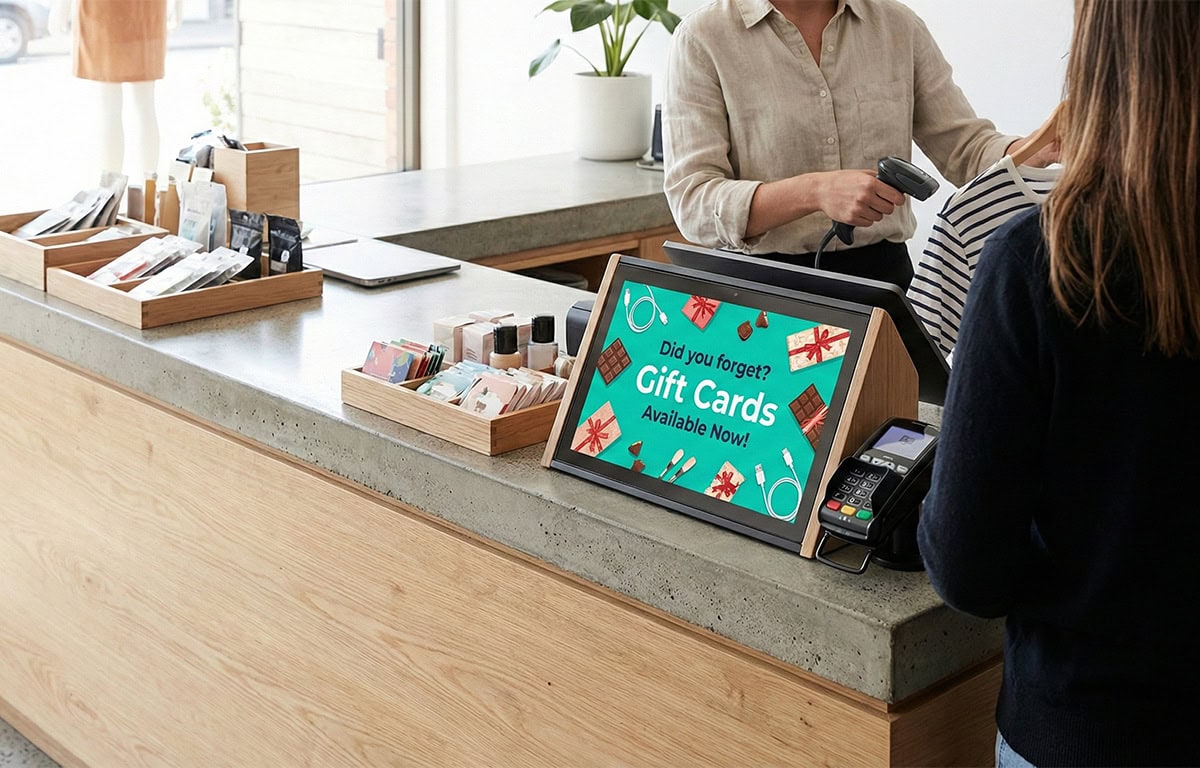
Screen Type: Standard Indoor (500 - 700 nits), often smaller sizes (32” - 43”).
Use Case: Located behind the counter or on the counter itself. These screens are perfect for "Add-on" suggestions (e.g., "Join our loyalty program for 10% off" or "Grab a pair of socks with those shoes").
Goal: Brand Immersion.
Screen Type: Video Walls (LCD or LED) or Large Format (75” - 98”).
Use Case: Often found in the rear of the store to draw customers deep into the retail space. A large video wall playing high-definition lifestyle content creates an atmosphere that envelops the shopper.

Goal: Product Education.
Screen Type: Small Format, Touchscreens, or Stretch Displays.
Use Case: These screens act as a "silent salesperson." If a customer is looking at a complex product, like a power tool or a skincare regimen, a nearby touch screen can allow them to watch a demo video or read reviews without needing to find a staff member.

For many business owners, the hesitation to adopt retail digital screens comes down to cost. It is true that the initial outlay for a digital screen is higher than printing a corflute sign. However, when viewed over a 3-5 year period, the Return on Investment (ROI) and operational benefits of digital often outweigh the simplicity of static signage.
| Feature | Static Signage (Print) | Digital Screens |
|---|---|---|
| Updating Content | Slow and costly. Requires printing, shipping, and manual installation by staff. | Instant. Content can be updated globally across 50 stores with a single click. |
| Engagement | Passive. Relies on the customer choosing to look. | Active. Motion and brightness naturally attract the human eye. |
| Flexibility | Single message only. Once printed, it cannot be changed. | Unlimited messages. Cycle through 10 different promotions in an hour. |
| Cost Over Time | Recurring costs for every new campaign (design, print, distribution). | One-off hardware cost. Ongoing costs are minimal (software license). |
| Environmental | High waste. Posters are discarded after use. | Low waste. No paper or plastic waste generated for campaign changes. |
To truly understand the power of this technology, it is helpful to look at how successful Australian businesses are currently utilising digital screens in retail. The following examples highlight different strategies for different industry verticals.
The Challenge: Selling high-end automotive accessories requires more than just putting a product on a shelf. Customers need to understand the lifestyle and the capability that the product unlocks.
The Solution: Four HD super narrow bezel video wall displays
The Result: This creates an emotional connection with the customer. They aren't just buying a bull bar; they are buying the adventure shown on the screen. The video wall serves as a stunning visual anchor that draws customers into the showroom and validates the premium nature of the products.
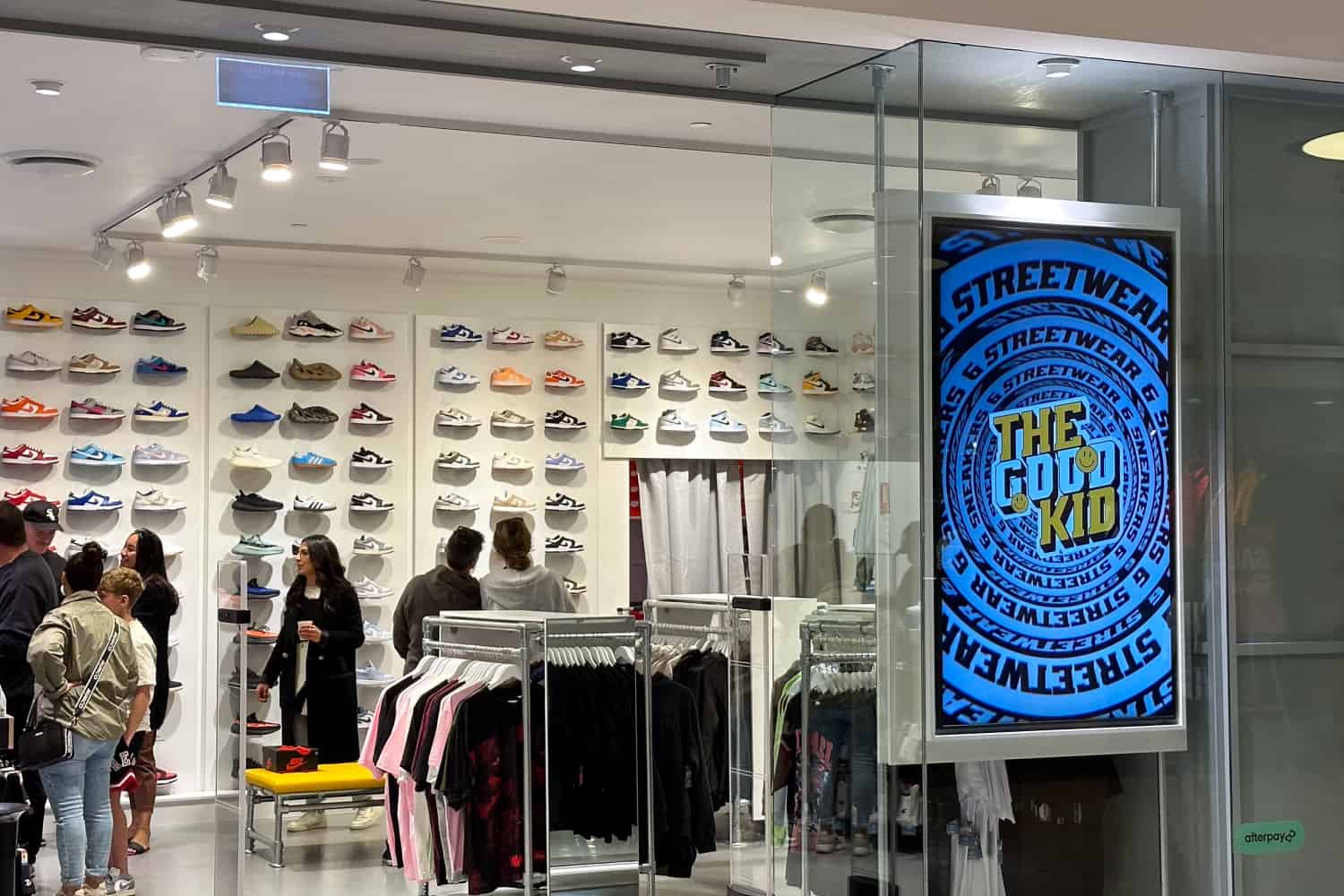
The Challenge: Located in the busy Westfield Parramatta, The Good Kid needed to capitalise on a successful branding campaign. They required a way to display dynamic video and graphics that felt like a seamless part of their high-end shop fit-out, rather than an afterthought tacked onto a wall.
The Solution: A large-format 75” Samsung Commercial Indoor Display (500 nits).
The Result: The result is a polished, professional digital surface that delivers maximum impact. Because the screen is a commercial-grade 500-nit panel, it is bright enough to draw attention in the indoor mall environment while maintaining deep contrast levels that do justice to the brand's high-quality graphic assets.
The shift towards retail digital screens is not a passing trend; it is the new standard for modern brick-and-mortar retail. By educating yourself on the differences between commercial and consumer hardware, and understanding the strategic placement of these assets, you can transform your store from a passive space into an engaging, dynamic environment.
Whether you are looking to immerse customers in your brand story like ARB, or streamline your store like The Good Kid, the right digital display solution offers a flexible, powerful way to communicate. As the retail world becomes increasingly competitive, those who leverage the power of in-store digital screens to inform and entertain their customers will be the ones who secure the sale.
