fusion signage
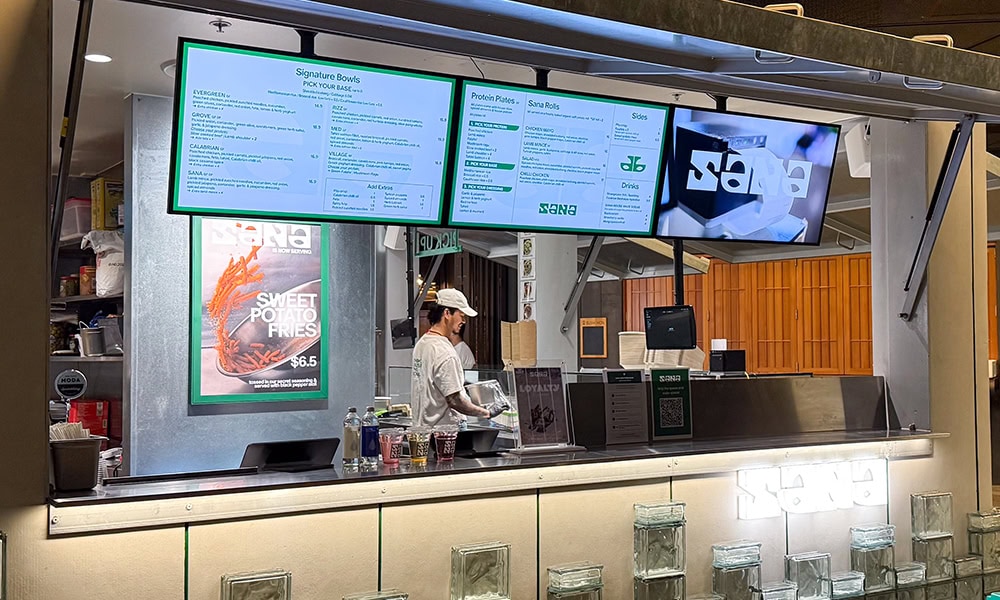
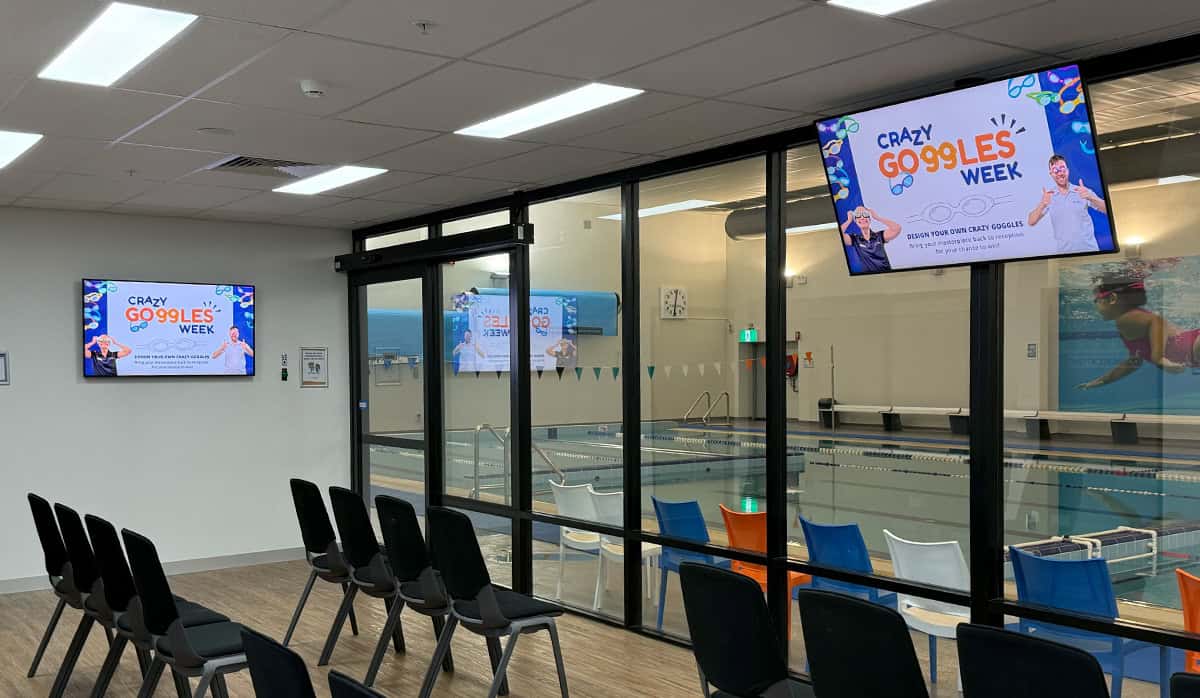
Best for: Retail, QSR, Cafés, Schools, and ease of use.
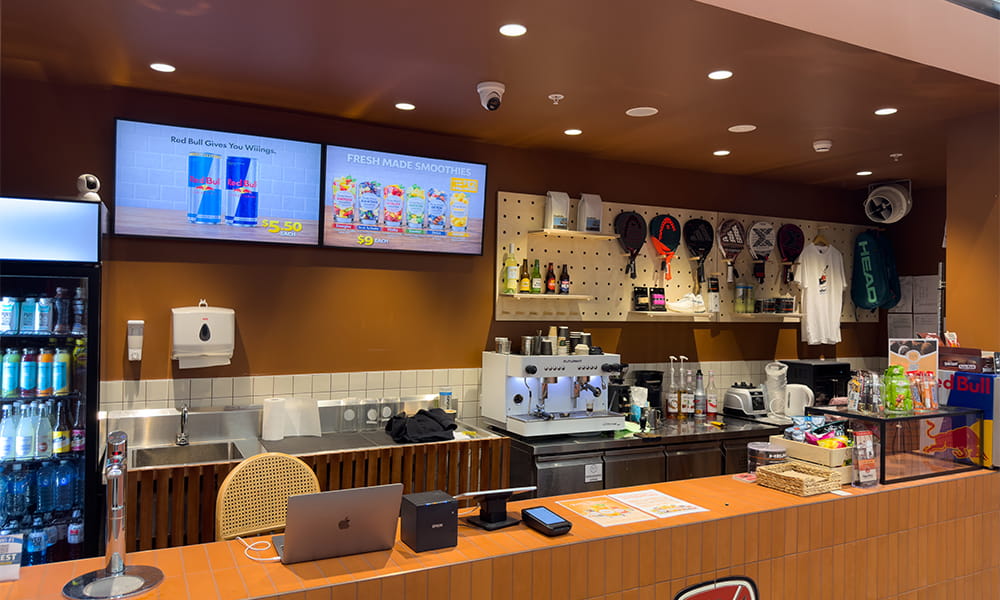
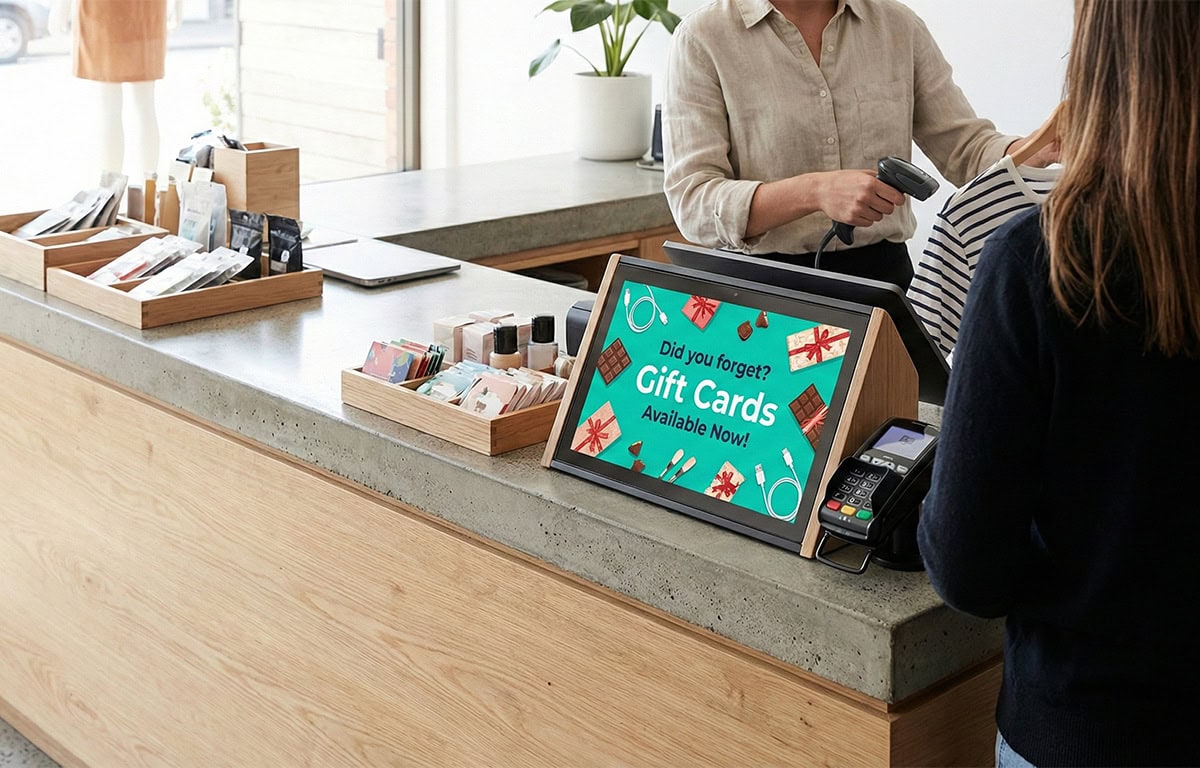
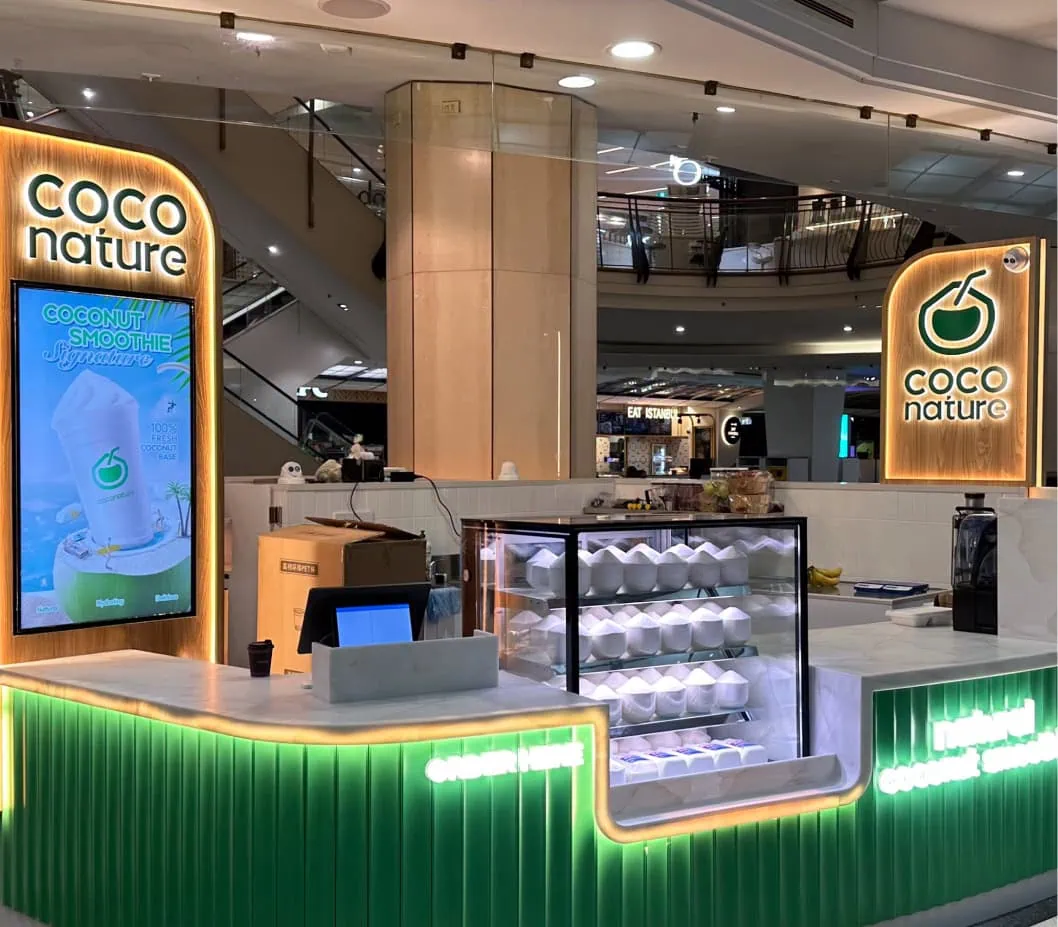
Proudly Australian-owned, Fusion Signage is widely regarded as the most user-friendly CMS on the market. It is perfect for businesses that want to "set and forget."
Pros: Incredible ease of use, local support/servers and affordable pricing.
Cons: Fewer built-in widgets and 3rd party integrations compared to competitors.
Easy Signage
Best for: Budget-Conscious Businesses, Multi-Site Operators, and Mixed Hardware Fleets.
Easy software you can run yourself. Easy Signage pairs a drag-and-drop editor with 50+ app integrations and runs on almost any screen.
Pros: Easy to use, a free plan to start, runs on any hardware and 50+ integrations including Canva and Power BI.
Cons: The free plan carries a watermark and very limited storage.
Samsung VXT
Best for: Corporate Offices, Single Screen Stores, and Samsung Hardware Devices.
The next generation of MagicINFO. Samsung VXT is a cloud-native solution that offers powerful remote management and canvas creation tools.
Pros: Deep integration with Samsung screens, high security, and advanced remote control.
Cons: Can be expensive for large-scale rollouts.
OptiSigns
Best for: Small to medium businesses, diverse hardware support, and quick deployment.
A highly versatile and popular cloud-based digital signage software that turns any screen into a digital sign in minutes.
Pros: Hundreds of built-in app integrations, highly affordable, and compatible with any screen.
Cons: The system can be hard to navigate and learn.
LOOK Digital Signage
Best for: Interactive kiosks, retail networks, and user-friendly content scheduling.
An intuitive, cloud-based platform that allows you to manage content across all your screens from any browser.
Pros: Excellent drag-and-drop layout designer, robust offline playback, and straightforward pricing.
Cons: Setting up complex interactive scenarios may require a bit of a learning curve to fully master.
Yodeck
Best for: Raspberry Pi users, budget-conscious businesses, and scalable multi-screen management.
An incredibly popular and highly reliable platform best known for its seamless integration with Raspberry Pi players.
Pros: The first screen is completely free forever and they provide free hardware players with annual plans.
Cons: Their strong focus on Raspberry Pi hardware might not align with enterprise IT policies and is difficult to setup.