
As one of Melbourne’s favourite destinations for great Italian cuisine, Pasta Prego maintains high standards across its flagship locations in Hawthorn and South Yarra. However, their in-store menu presentation was lagging behind their culinary operational needs.
Relying on traditional printed menu boards created a significant bottleneck. Every time there was a price adjustment, a menu item change, or a seasonal special, the restaurant had to go through the time-consuming and costly process of reprinting and physically replacing boards.
This lack of flexibility made it difficult to keep the menu current and react quickly to supply chain changes or daily specials.
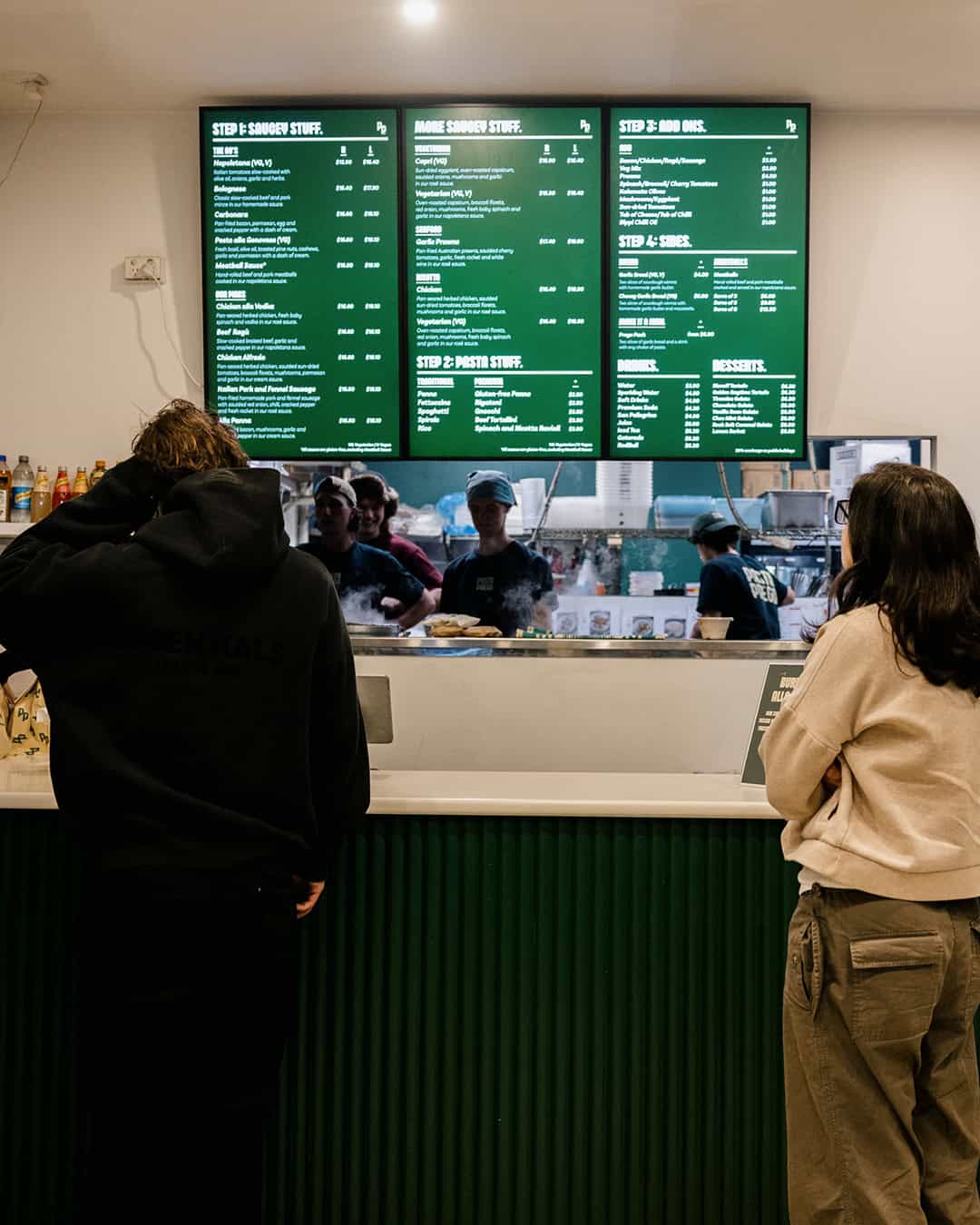

Pasta Prego engaged Display Australia to supply commercial-grade digital displays that would allow them to fully digitise their menus across both flagship locations.
The primary objective was to replace printed menu boards with a professional digital solution that improved readability, reduced visual clutter, and delivered a more premium shop feel. A key requirement was that the solution be standardised across both venues, ensuring customers received the same visual experience regardless of location.
The displays needed to be reliable for long operating hours, perform well under challenging lighting conditions, and integrate seamlessly into the existing counter layout without introducing unnecessary complexity.
We supplied six Samsung QM50C 50-inch displays to replace the static boards. These units were selected specifically for their commercial-grade reliability and visual performance in a hospitality environment.
Unlike consumer TVs, these displays are built for extended daily operation, ensuring they can handle the long operating hours of a busy restaurant without overheating or color degradation.
The displays were wall-mounted and tilted downwards. This strategic positioning maximises visibility for customers standing at the counter while maintaining a streamlined look.
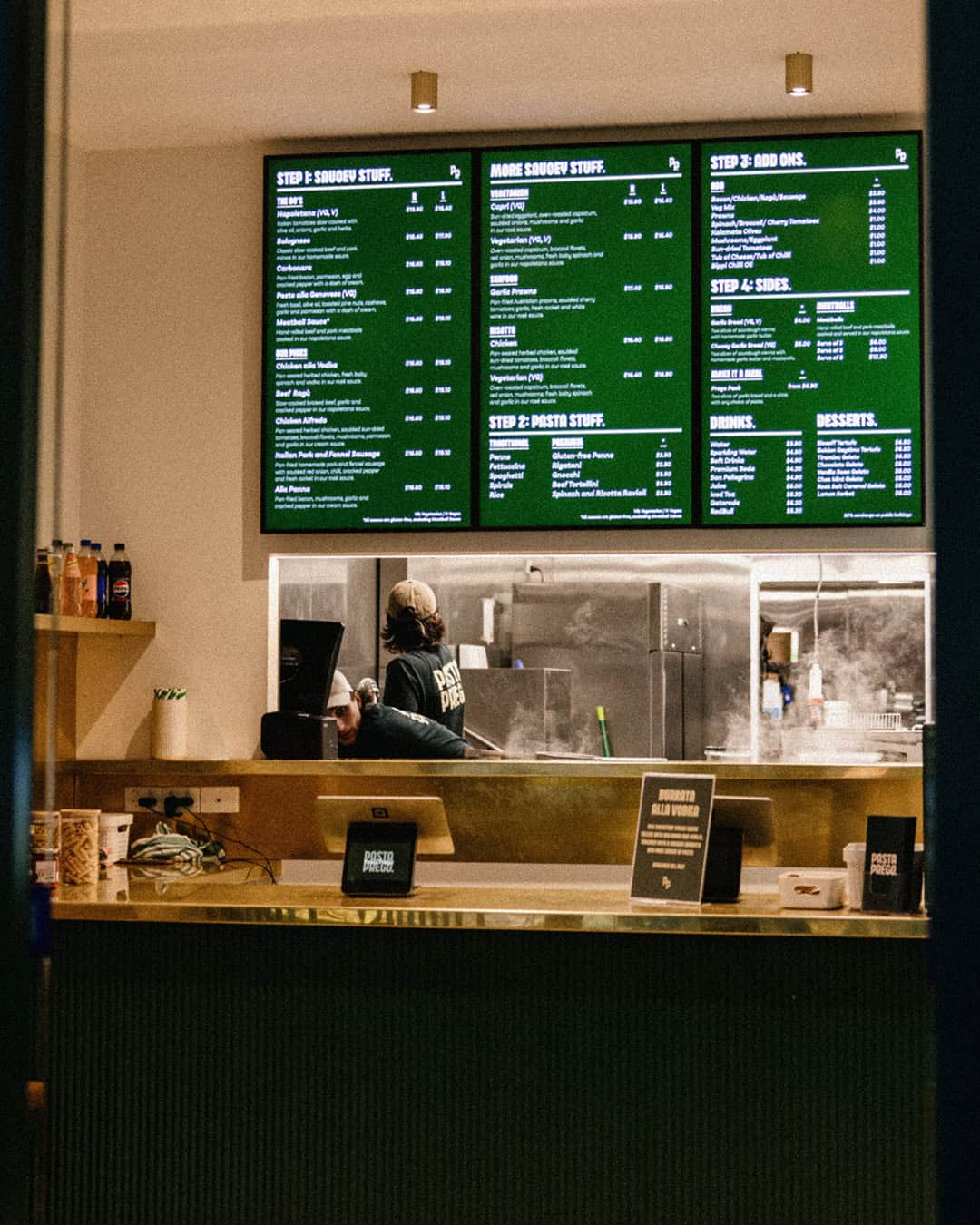
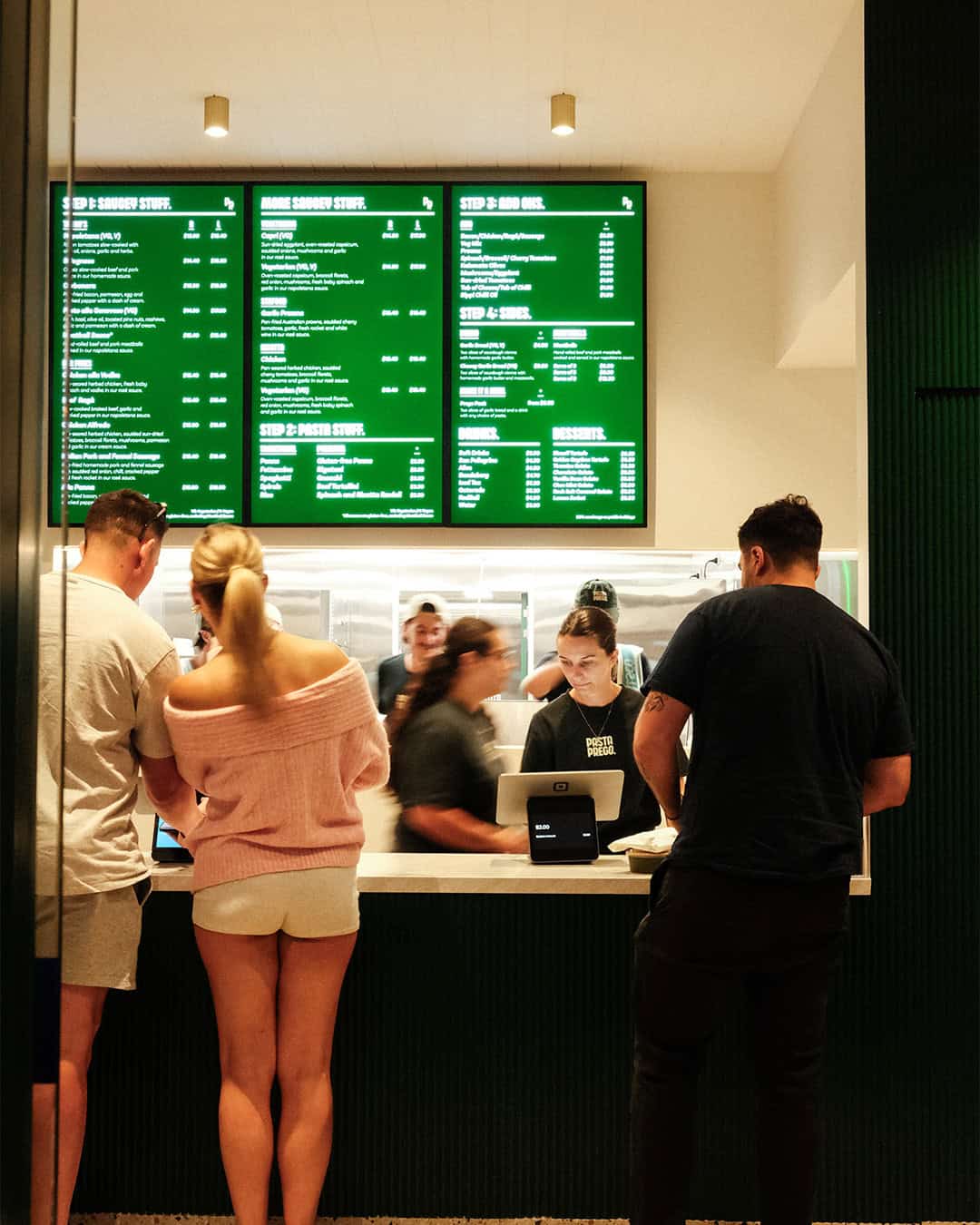
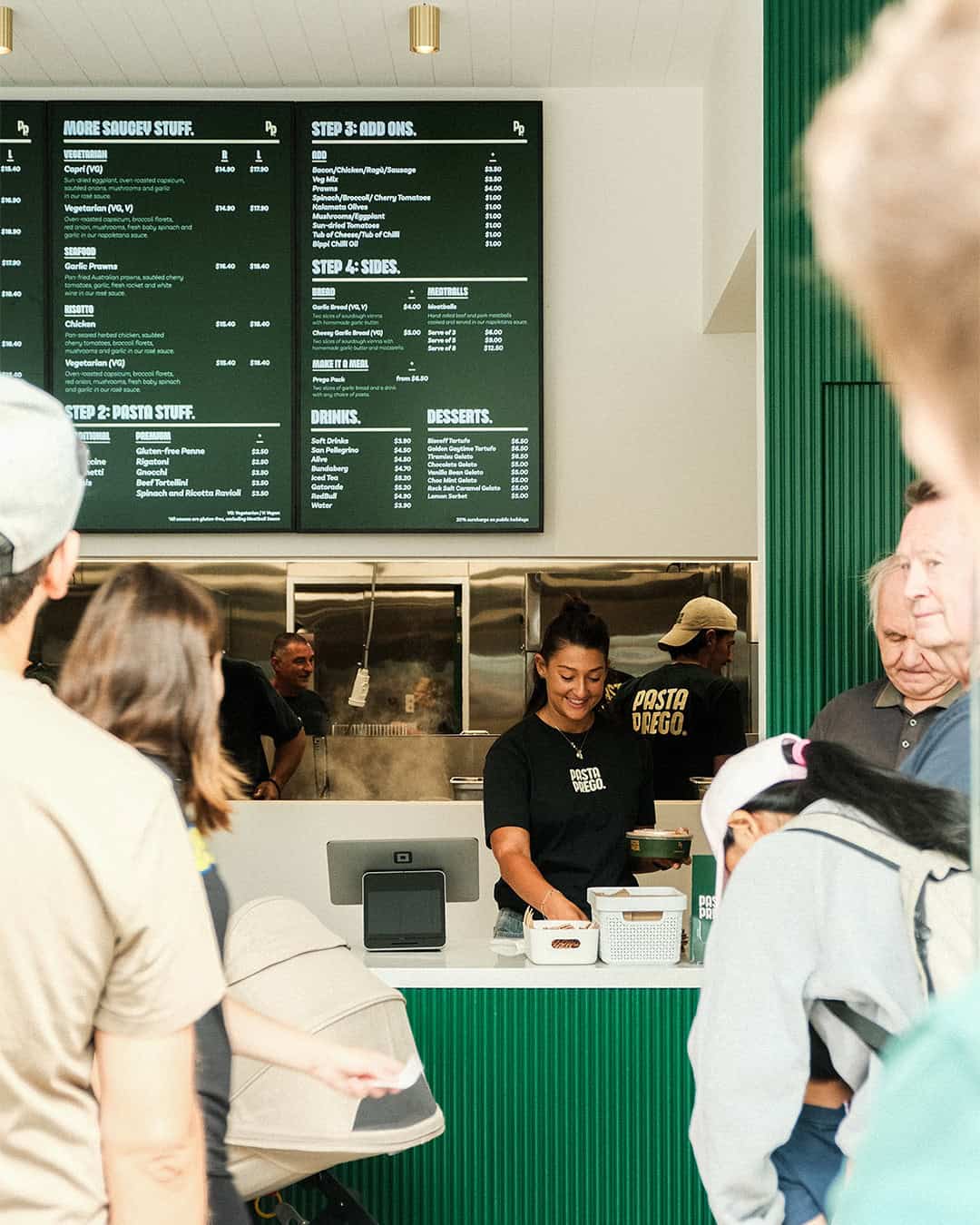
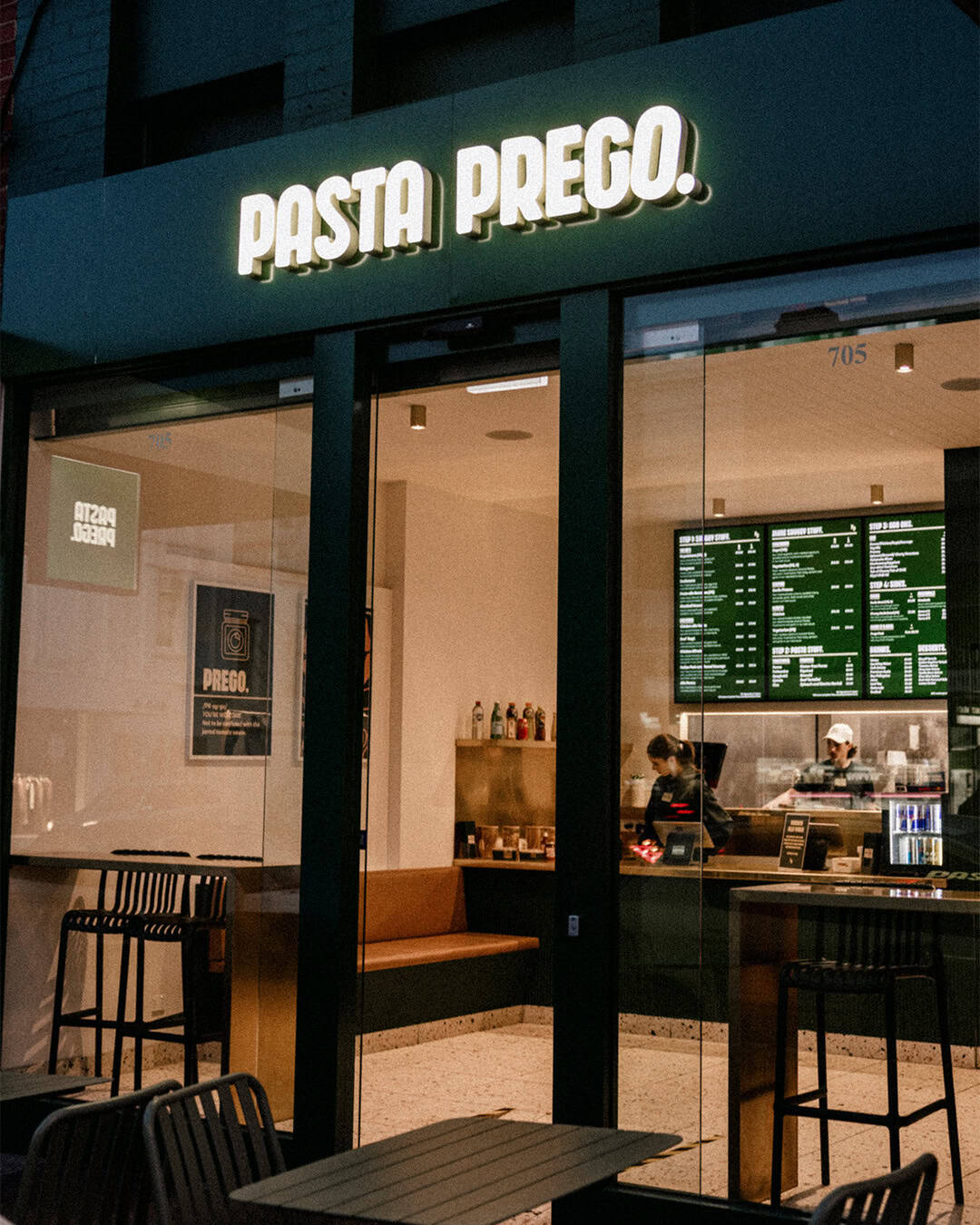
The transition to digital has had an immediate impact on Pasta Prego’s daily operations. The "paper chase" is over; the management team no longer needs to worry about printing lead times or mismatched menu boards.
The digitised menus created a more cohesive and modern shop feel, elevating the overall customer experience and aligning the physical space with the brand’s quality positioning.
Moving away from printed signage removed the limitations associated with static menus, including visual wear, inconsistent layouts, and the need for frequent reprinting. The digital displays deliver a cleaner presentation and make it easier for staff to maintain a polished front-of-house appearance at all times.
From a brand perspective, the project successfully supported Pasta Prego’s wider standardisation strategy. Customers now experience the same menu layout, proportions, and visual hierarchy at both locations, reinforcing brand recognition and trust.
For QSR operators, hospitality groups, and franchise owners, this project highlights the value of investing in commercial-grade digital displays as part of a broader standardisation strategy. Consistency across locations is critical for brand credibility, particularly as businesses scale or operate multiple sites.
Digitising menus is not just about replacing printed boards. It is about improving clarity at the point of order, enhancing the overall shop environment, and future-proofing the venue for operational changes. Choosing the right display hardware plays a major role in achieving these outcomes, especially in high-traffic environments where screens operate for long hours under varied lighting conditions.
The Pasta Prego rollout demonstrates how a considered hardware-only deployment can deliver tangible visual and branding benefits without adding unnecessary complexity.
